Guide
The Ultimate Guide to Planning School Excursions in Victoria: Budget Tips, Booking Process & Teacher Resources
April 2025

Introduction: Why Excursions Matter in Education
School excursions are more than just a day away from the classroom—they're powerful educational tools that bring learning to life, create lasting memories, and provide students with authentic experiences that can't be replicated within school walls. But for teachers and school administrators, planning these valuable learning experiences can be challenging.
This comprehensive guide walks you through every aspect of planning successful school excursions in Victoria, from aligning with curriculum objectives to managing logistics and maximizing educational value within your budget constraints.
"Well-planned excursions create powerful learning moments that students remember long after they've forgotten classroom lessons. The key is intentional planning that connects the experience directly to curriculum goals." — James Peterson, Education Consultant
Selecting the Right Excursion for Your Educational Goals
Victoria offers an incredible diversity of educational experiences:
|
"I've found that the most valuable excursions aren't necessarily the most expensive ones. It's about finding experiences that provide authentic connections to what we're teaching in the classroom." — Michelle Lee, Year 4 Teacher
Budgeting for School Excursions
Understanding Typical Costs
Based on our analysis of programs across Victoria, here's what schools can expect to pay per student:
- Under $10: 27% of programs (typically museum visits, self-guided experiences)
- $10-$15: 36% of programs (gallery tours, basic workshops)
- $15-$20: 18% of programs (interactive programs with specialised equipment)
- $20-$25: 15% of programs (intensive experiences with expert facilitation)
- $25+: 4% of programs (premium experiences, often full-day or with multiple components)
The median cost per student is approximately $16, making this a useful benchmark for budget planning.
Finding Value for Money
Consider these strategies to maximize educational value while managing costs:
Look for free or low-cost options: Many public institutions like the State Library of Victoria offer free educational programs.
Consider incursions: Companies like Mad About Science bring quality experiences to your school, eliminating transport costs.
Bundle experiences: Some venues offer discounted rates for schools booking multiple programs or combining with other nearby attractions.
Book during off-peak times: Many venues offer lower rates during less busy periods.
Utilize subsidies and grants: Programs like the Victorian Government's Positive Start initiative provide funding for eligible schools.

The Flagstaff Hill Maritime Village's "Reading, 'riting and 'rithmetic" program costs $8.55 per student. Both provide curriculum-linked experiences at a fraction of the cost of commercial providers.
The Booking Process Explained
1) Typical Booking Timelines
- High-demand venues: 4-8 weeks minimum
- Popular regional attractions: 2-4 weeks minimum
- Specialised programs: May book out a term in advance
- Incursions: Often can accommodate bookings with 1-2 weeks' notice
For example, the National Gallery of Victoria specifies: "There is at least four weeks notice for all NGV bookings."
3) Required Information for Bookings
- School details: Name, address, contact information
- Visit information: Preferred date(s), arrival/departure times, program selection
- Student information: Number of students, year level, any special requirements
- Supervision details: Number of teachers/adult helpers
- Payment information: Purchase order number or payment method
- Special considerations: Disability access, dietary requirements, etc.
3) Booking Methods and Platforms
Traditionally, bookings have been made by phone or email, but EdTripper simplifies this process by providing a centralized platform where teachers can:
- Search for programs by subject, year level, location, and cost
- Check availability in real-time
- Make secure bookings with instant confirmation
- Store all excursion details in one place
"Using a platform like EdTripper has streamlined our excursion planning process enormously. What used to take days of phone calls and emails now takes minutes, and we have a complete record of all arrangements in one place." — Robert Chen, Excursion Coordinator
Risk Management and Safety Planning
1) Risk Assessment Requirements
All school excursions in Victoria require a risk assessment. This should include:
- Identification of potential hazards
- Assessment of risk level
- Control measures to mitigate risks
- Emergency procedures
- Communication plans
2) Supervision Ratios
Supervision requirements vary based on the activity type and student age. Common ratios include:
- Early years/kindergarten: 1:3 to 1:5
- Primary years: 1:5 to 1:10
- Secondary years: 1:10 to 1:20
- Water-based activities: Higher supervision requirements (often 1:5 regardless of age)
- High-risk activities: May require specialised supervision
For example, the Melbourne Skydeck guided programs specify a ratio of "1:10" for their excursions.
3) Permission Forms and Documentation
Ensure you have:
- Parent/guardian permission forms with complete activity details
- Medical information for all participants
- Emergency contact details
- Approval from school leadership
- Risk assessment documentation
- Copies of booking confirmations
Create a digital and physical folder with all documentation for easy access during the excursion.
Maximizing Educational Value

Pre-Excursion Activities
Prepare students for the experience with:
- Background knowledge about the topic or venue
- Vocabulary introduction for new terms they'll encounter
- Questions to investigate during the excursion
- Clear learning objectives so students understand the purpose
During-Excursion Strategies
Enhance learning during the visit by:
- Providing structured observation tasks
- Encouraging question-asking
- Facilitating small-group discussions
- Creating opportunities for reflection
- Taking photos to support later activities (ensuring appropriate permissions)
Post-Excursion Follow-Up
Solidify learning after returning to school through:
- Reflection discussions about the experience
- Project work building on the excursion content
- Presentations by students sharing their learning
- Assessment tasks connected to the experience
- Thank-you notes to venues and helpers (which also reinforces learning)
Teacher Resources
Many excursion providers offer teacher resources to maximize educational value:
- Pre and post-visit activity suggestions
- Curriculum mapping documents
- Worksheets and handouts
- Background information
- Assessment ideas
For example, Meerkat Productions specifies in their program information: "Teacher resource packs to support our visit and to continue the discussion after we've left" are included with their performances.
"The pre and post-excursion activities are just as important as the excursion itself. They create a continuous learning journey rather than an isolated experience." — Sarah Williams, Researcher
Logistical Considerations
Transportation Options
- School buses: Most economical for shorter distances
- Charter buses: Provide comfort for longer journeys
- Public transport: Cost-effective for inner-city locations
- Walking: Ideal for nearby venues
- Parent drivers: Option for smaller groups (requires appropriate checks and insurance)
Consider accessibility needs when selecting transportation.
Timing Your Visit
Plan your excursion timing to:
- Avoid peak periods at popular attractions
- Align with your teaching sequence
- Consider weather impacts for outdoor activities
- Allow adequate travel time
- Include breaks for refreshments and rest
Most educational programs run for 1-2 hours, so a typical excursion day might include:
- 45-60 minutes travel each way
- 1-2 hour educational program
- 30-45 minutes for lunch/snacks
- 30 minutes for organization and transitions
Catering and Dietary Requirements
- Student-brought lunches: Simplest option for most excursions
- Venue catering: Available at some locations (usually requires advance booking)
- Nearby food options: Research availability and suitability
- Special dietary needs: Ensure these are communicated to venues if they're providing food
Always confirm whether refrigeration is available for lunches.
Case Studies: Successful Excursion Planning

Primary School Case Study: Melbourne Zoo Integrated Unit
Riverside Primary School created a highly successful Year 3-4 integrated unit centred around a Melbourne Zoo excursion:
- Pre-excursion: Students researched Australian animals and conservation issues for two weeks
- Excursion: Participated in the "Wild Carers" program ($21 per student)
- Post-excursion: Created conservation campaigns and habitat models
The clear curriculum connections and thoughtful integration made this a standout learning experience.
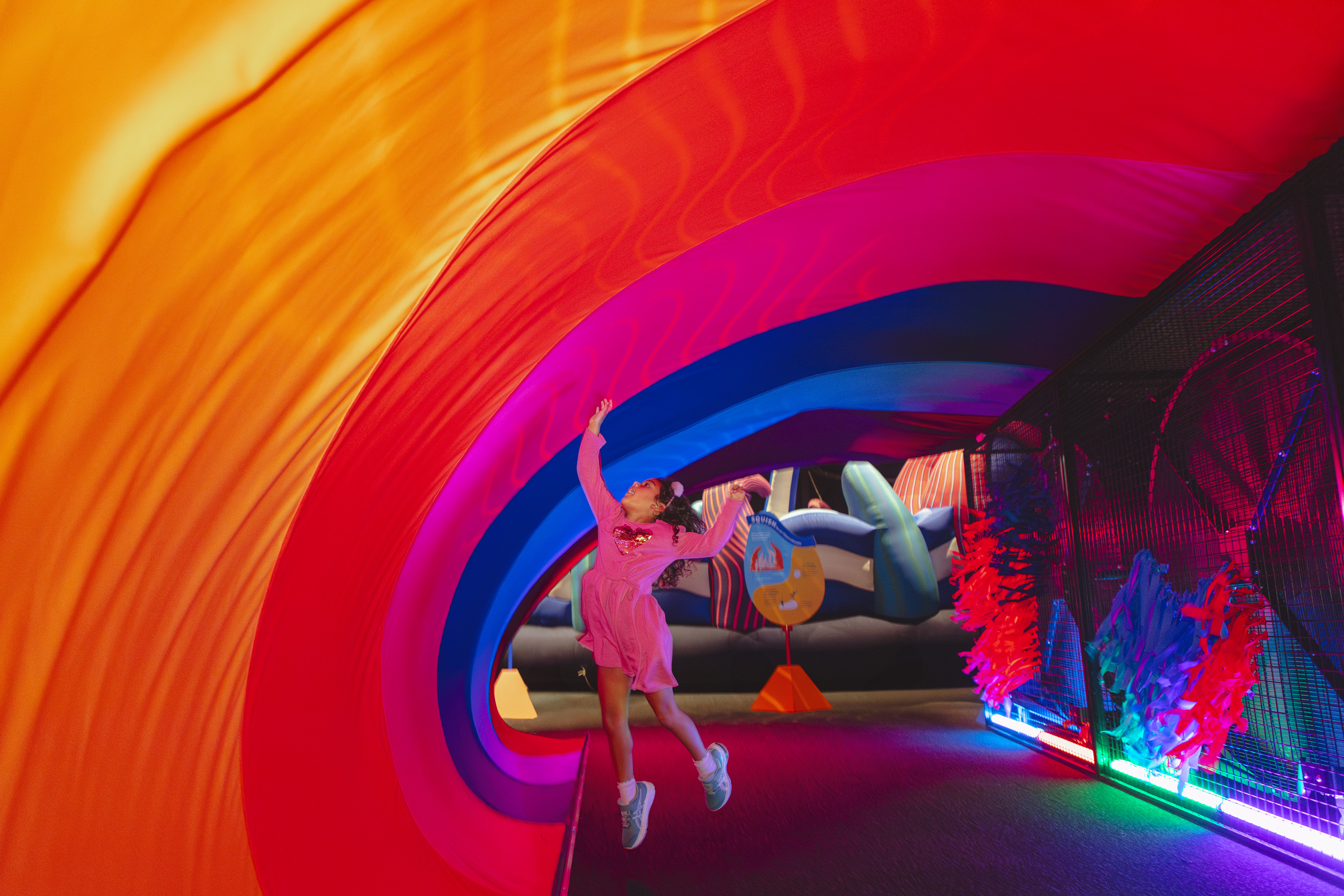
Secondary School Case Study: Cross-Curricular STEM Excursion
Bayside College took Year 9 students to Scienceworks as part of a cross-curricular project:
- Science: Students explored physics concepts in the exhibits
- Mathematics: Data collection and analysis activities
- Technologies: Design challenges inspired by the exhibits
- English: Science communication writing tasks
This approach maximised educational value across multiple subject areas from a single excursion.
Using EdTripper to Streamline Your Planning
Finding the Perfect Excursion
- Subject area (matching your curriculum focus)
- Year level (ensuring age-appropriate content)
- Location (minimizing travel time and costs)
- Cost (staying within your budget)
- Keywords (targeting specific learning objectives)
"EdTripper has transformed how we plan excursions at our school. Being able to search, compare, and book in one place saves hours of research time, and the teacher reviews help us choose experiences that will really work for our students." — Jennifer Santos, Assistant Principal
More Articles

News
Inside Sydney Zoo's New Education Programs: What Teachers Need to Know

News
How Do I Talk to My Class About This? Daly Cherry-Evans and the Art of the Big Change

News
We Took Our Year 4 Class to Garrigarrang at the Australian Museum - Here's What Happened

News
A New Monument Arrives at Circular Quay — And It’s a Powerful Teaching Moment for Stage 1

News
Creative Arts & Wellbeing: Easy End-of-Year Ideas for Your Classroom

🎒 Active Learning Days: PDHPE Excursions That End the Year Strong

News, Guide
How to Stop Policing AI and Start Teaching With It

Guide
Incorporating Aboriginal and Torres Strait Islander Perspectives: Top Cultural Excursions for Authentic Learning

Guide
Creating Mental Health-Focused Excursions: How Schools Are Supporting Student Wellbeing Beyond the Classroom

Guide, News
What "Adolescence" Teaches Us About Digital Wellness and Student Wellbeing in Australian Schools

News
Swimming Education: How Schools Can Reverse Australia's Declining Swim Skills

Guide
Data-Driven School Excursions: How Real-Time Analytics Are Transforming Educational Experiences

Guide
5 Affordable History Excursions in NSW: Programs Under $15 Per Student

Guide
From Rockpools to Reefs: NSW Coastal Excursions for Every Year Level

Guide
How to Book Multi-Day School Camps in Victoria: Complete Planning Checklist for Teachers

Guide
Cost-Effective School Excursions in Melbourne: Programs Under $15 Per Student

Guide
Environmental Education Programs in Victoria: Hands-On Learning About Sustainability for Schools

Guide
Virtual vs. In-Person School Incursions: Which Option Provides Better Learning Outcomes for Primary Students?

Guide
Top 10 STEM Excursions in Victoria That Align With Australian Curriculum Standards

Guide
2 Must-Visit Regional Educational Excursions in Ballarat for Victorian Teachers

Guide
How to Choose the Perfect Year 7-8 History Experience: Victorian Programs That Bring the Past to Life

Guide
The Best of the Best Australian School Excursions for 2025

Guide
5 of the Most Hectic School Incursions in NSW Right Now

Guide
The 5 Best School Excursions About Sustainability in NSW

News
Cultural Institutions: Where dinosaurs roam, and so do outdated booking systems

Guide
10 Epic School Excursions in Australia

News
Regional Angels Invest in EdTripper to Help Teachers Plan School Excursions

Guide
The value of school trips: a journey beyond the classroom

News