News
Swimming Education: How Schools Can Reverse Australia's Declining Swim Skills
May 2025

Nearly half of Australian primary school children cannot swim 50 metres or tread water for two minutes by age 12, according to recent Royal Life Saving Australia research. This alarming statistic marks a significant decline in swimming capabilities across the nation, placing many young Australians at risk and eroding a proud national tradition.
For a country with swimming embedded in its cultural identity, these findings represent a critical educational challenge that schools must address. But how did we get here, and what options do schools have to reverse this trend?
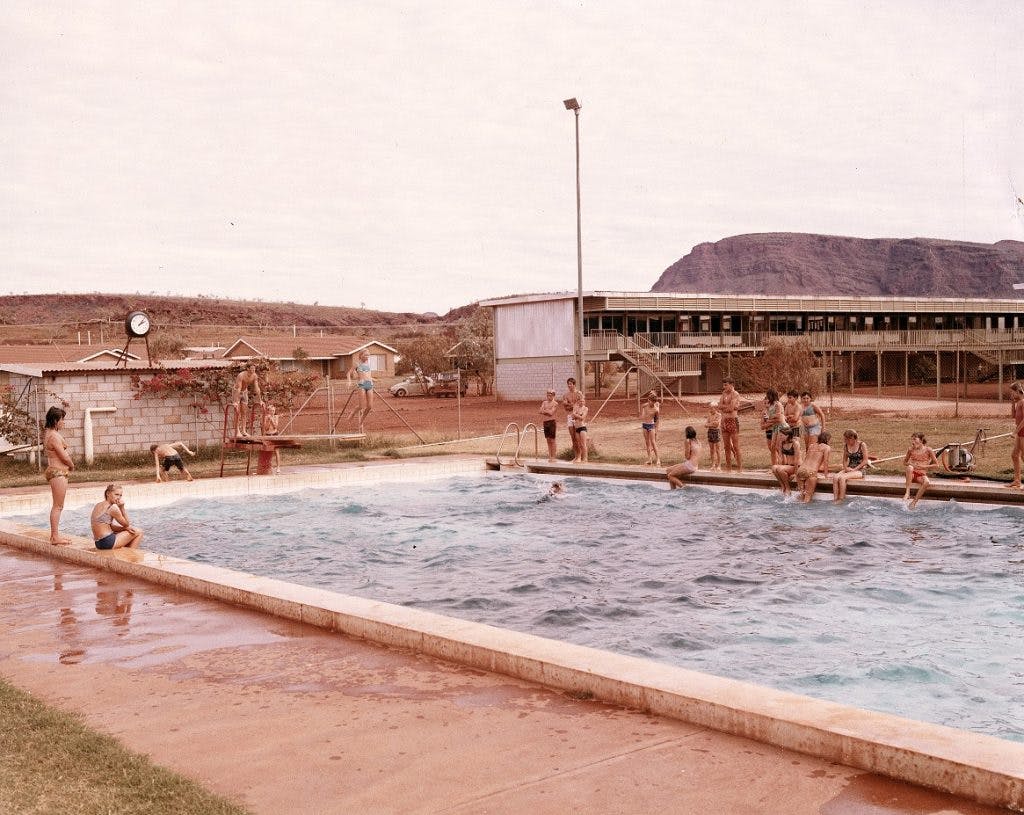
The Decline of Swimming Education in Australian Schools
Swimming education in Australia has a proud history dating back to the 1880s when it was first mandated in NSW schools. This commitment to swimming skills expanded nationally after World War II, establishing Australia as a country where water safety was considered essential education.
Today, swimming education faces significant challenges:
- 31% of schools no longer offer learn-to-swim programs
- Swimming carnivals are no longer mandatory in the school system
- Cost barriers, staffing shortages, and curriculum time constraints are limiting swim education
- The COVID-19 pandemic disrupted swimming lessons for thousands of children
The consequences extend beyond missed educational opportunities. Basic water rescue skills are dangerously weak among Australian students, with an estimated 84% of 15-16 year-olds unable to meet basic lifesaving requirements.
Why Swimming Education Matters for Australian Schools
Swimming education delivers multiple benefits that extend far beyond water safety:
1. Safety and Survival Skills
Australia's beaches, pools, and waterways are central to our national identity, but they also present risks. Comprehensive swimming education ensures students develop essential survival skills.
2. Physical Health and Development
Swimming is a complete physical activity that supports cardiovascular health, muscle development, and coordination - all crucial for growing bodies.
3. Social and Community Connection
Swimming carnivals and group lessons foster social cohesion, teamwork, and community spirit among students. These events create shared experiences that build school culture.
4. Academic Benefits
Research indicates that physical activities like swimming can enhance cognitive function and academic performance. Well-structured physical education supports intellectual development.
5. Cultural Heritage
Swimming excellence is deeply embedded in Australia's national identity, from our Olympic champions to our beach lifestyle. Swimming education preserves this important cultural heritage.
School Excursion Options to Boost Swimming Skills
Schools seeking to restore swimming education have numerous options beyond traditional school-based programs. EdTripper connects schools with exceptional swimming education providers across Australia:
Swimming Australia Accredited Programs
URBNSURF offers comprehensive water safety programs designed specifically for school groups, with qualified instructors who specialize in teaching surf and swimming fundamentals in a safe, supportive environment.
Royal Life Saving Programs
Adelaide Aquatic Centre provides swim school programs that combine swimming instruction with vital water safety and rescue skills. Their structured approach helps students build confidence and competence in the water.
Local Pool Partnerships
Many local aquatic centers offer school-specific programs with flexible scheduling options. These partnerships can make swimming education more accessible and affordable for schools.
Making Swimming Education Accessible for All Schools
When incorporating swimming education into school programming, consider these practical approaches:
1. Integrate Swimming with Other Subjects
- Science: Water properties and physics
- Health: Water safety and first aid principles
- Physical Education: Comprehensive fitness development
- History: Australia's swimming heritage and Olympic achievements
2. Overcome Logistical Challenges
- Partner with local facilities to reduce transportation requirements
- Schedule swimming lessons in blocks rather than weekly sessions
- Explore mobile swimming education providers who bring portable pools to schools
3. Address Cost Barriers
- Apply for government and community grants specifically for swimming education
- Create parent-teacher fundraising initiatives focused on water safety
- Explore shared programs between multiple schools to reduce costs
- Investigate subsidized programs available through national swimming organizations
4. Engage the Community
- Invite local swimming champions to inspire students
- Create community swimming events that build enthusiasm
- Partner with local businesses to sponsor swimming education
- Connect with parents who have swimming backgrounds to assist with programs
Planning Your School's Swimming Education Revival
Ready to revitalize swimming education at your school? Follow these steps:
- Assess current capabilities: Survey your student population to understand existing swimming abilities
- Identify specific needs: Determine which aspects of swimming education should be prioritized
- Explore provider options: Browse EdTripper's swimming education providers to find the perfect match
- Create a sustainable plan: Develop a long-term approach that addresses logistical and financial considerations
- Build community support: Engage parents, teachers, and local organizations in your swimming initiative
- Measure and celebrate progress: Track improvements in swimming abilities and celebrate achievements
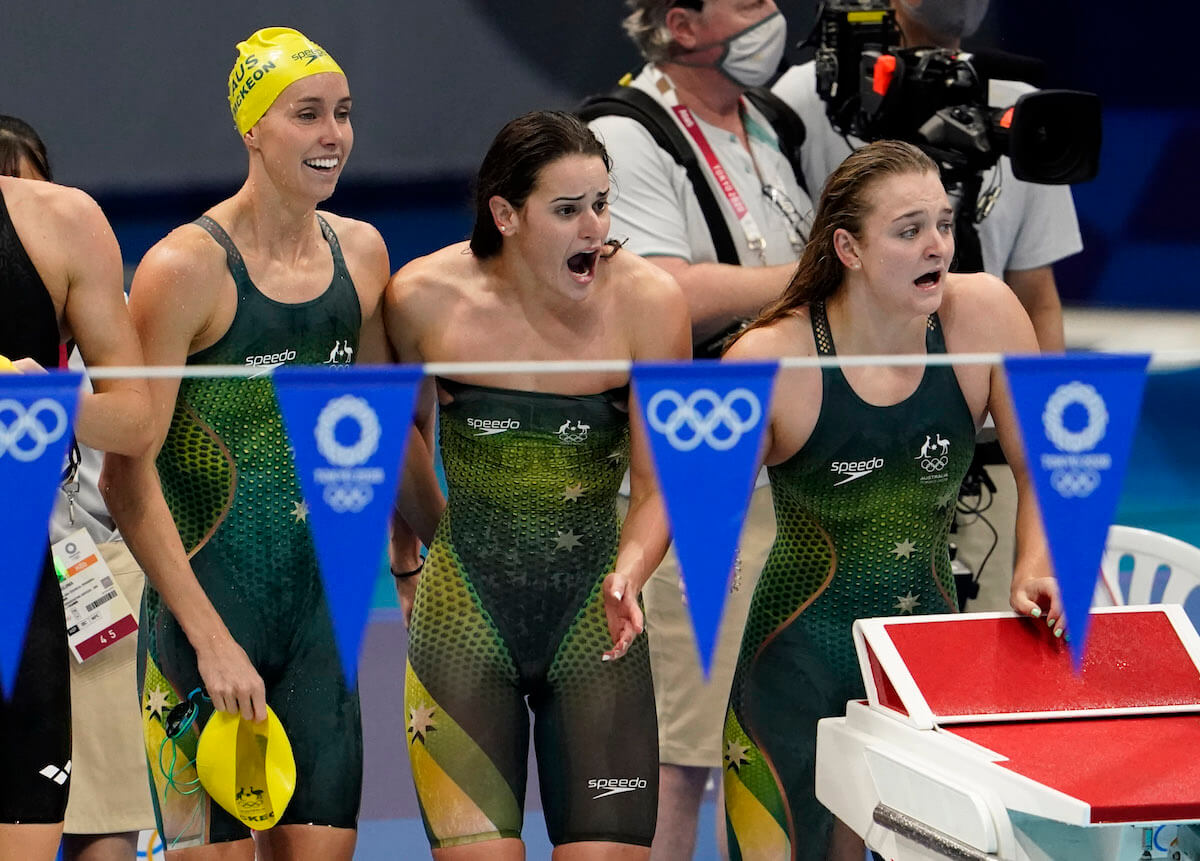
Conclusion: Reclaiming Australia's Swimming Heritage
The decline in swimming education represents a significant challenge for Australian schools, but also an opportunity to reconnect with an important part of our national identity. By prioritizing swimming skills, schools not only equip students with life-saving abilities but also connect them to Australia's proud aquatic traditions.
Through thoughtful programming, community partnerships, and a commitment to accessibility, schools can help reverse the concerning trend of declining swimming abilities. The options available through providers on the EdTripper platform make it easier than ever to integrate quality swimming education into school programs.
Swimming education isn't just about producing the next Olympic champion—it's about ensuring every Australian child has the skills, confidence, and knowledge to safely enjoy our beautiful waterways for generations to come.
More Articles

News
Inside Sydney Zoo's New Education Programs: What Teachers Need to Know

News
How Do I Talk to My Class About This? Daly Cherry-Evans and the Art of the Big Change

News
We Took Our Year 4 Class to Garrigarrang at the Australian Museum - Here's What Happened

News
A New Monument Arrives at Circular Quay — And It’s a Powerful Teaching Moment for Stage 1

News
Creative Arts & Wellbeing: Easy End-of-Year Ideas for Your Classroom

🎒 Active Learning Days: PDHPE Excursions That End the Year Strong

News, Guide
How to Stop Policing AI and Start Teaching With It

Guide
Incorporating Aboriginal and Torres Strait Islander Perspectives: Top Cultural Excursions for Authentic Learning

Guide
Creating Mental Health-Focused Excursions: How Schools Are Supporting Student Wellbeing Beyond the Classroom

Guide, News
What "Adolescence" Teaches Us About Digital Wellness and Student Wellbeing in Australian Schools

Guide
Data-Driven School Excursions: How Real-Time Analytics Are Transforming Educational Experiences

Guide
5 Affordable History Excursions in NSW: Programs Under $15 Per Student

Guide
From Rockpools to Reefs: NSW Coastal Excursions for Every Year Level

Guide
How to Book Multi-Day School Camps in Victoria: Complete Planning Checklist for Teachers

Guide
Cost-Effective School Excursions in Melbourne: Programs Under $15 Per Student

Guide
Environmental Education Programs in Victoria: Hands-On Learning About Sustainability for Schools

Guide
The Ultimate Guide to Planning School Excursions in Victoria: Budget Tips, Booking Process & Teacher Resources

Guide
Virtual vs. In-Person School Incursions: Which Option Provides Better Learning Outcomes for Primary Students?

Guide
Top 10 STEM Excursions in Victoria That Align With Australian Curriculum Standards

Guide
2 Must-Visit Regional Educational Excursions in Ballarat for Victorian Teachers

Guide
How to Choose the Perfect Year 7-8 History Experience: Victorian Programs That Bring the Past to Life

Guide
The Best of the Best Australian School Excursions for 2025

Guide
5 of the Most Hectic School Incursions in NSW Right Now

Guide
The 5 Best School Excursions About Sustainability in NSW

News
Cultural Institutions: Where dinosaurs roam, and so do outdated booking systems

Guide
10 Epic School Excursions in Australia

News
Regional Angels Invest in EdTripper to Help Teachers Plan School Excursions

Guide
The value of school trips: a journey beyond the classroom

News